Malawi is one of the beneficiary countries of a new African-led financing push after African Development Bank (AfDB) governors endorsed to reform the continent’s financial architecture and mobilise domestic resources for development.
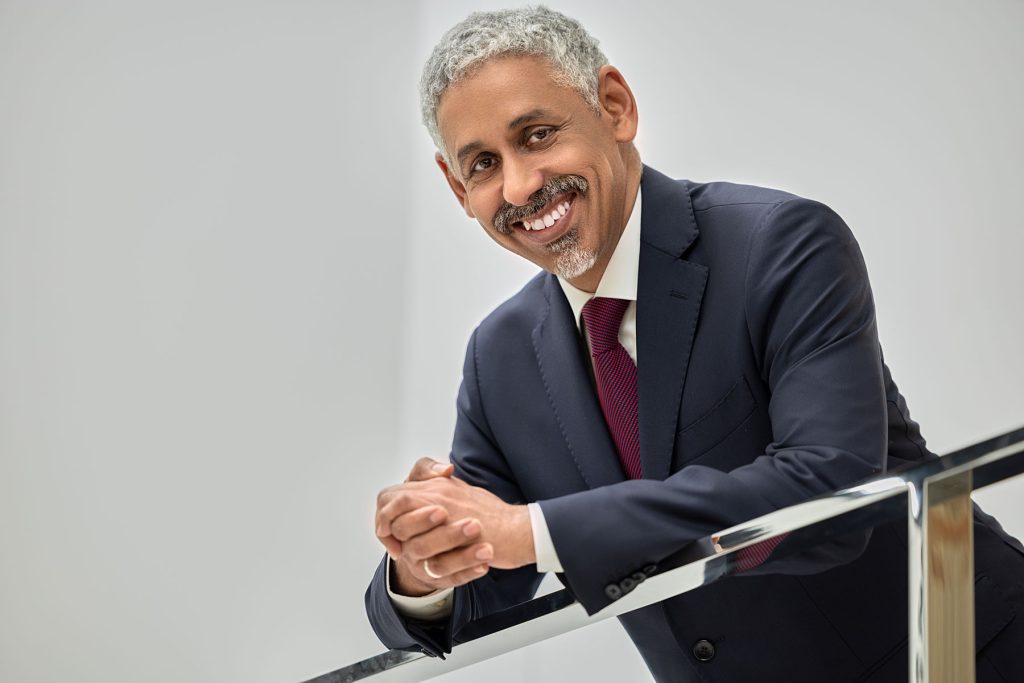
During a meeting in Brazzaville, Republic of the Congo last week, AfDB governors backed AfDB president Sidi Ould Tah’s vision for the New African Financial Architecture for Development (Nafad), a framework to unlock African savings, strengthen regional financial institutions and reduce dependence on traditional donors.
resources. | African Development Bank
The new initiative comes as Malawi grapples with rising debt levels in excess of K23 trillion, mounting interest payments pegged at K2.7 trillion this fiscal year that ends on March 31 2027 and continued reliance on external financing.
Speaking at the close of the bank’s annual meetings on Friday, Ould Tah is qouted as having urged Africa to mobilise more domestic resources, guard against fragmentation and process its raw materials locally to create value, jobs and economic growth.
“We have set in motion a dynamic of action, a dynamic of transformation, a dynamic of integration,” he said.
The meetings, attended by more than 4 000 delegates from over 80 countries, also highlighted growing African participation in development financing.
Angola pledged €6.5 million (about K15.6 billion) towards the 17th replenishment of the African Development Fund, bringing the number of African contributors to 25 with commitments exceeding $190 million (about K332 billion).
For Malawi, the discussions come at a time public debt has reached K23.9 trillion, equivalent to 90.9 percent of gross domestic product, according to Ministry of Finance, Economic Planning and Decentralisation data.
The burden is becoming increasingly costly with public debt interest payments projected at K2.7 trillion in the 2026/27 financial year, up 22.9 percent from the revised K2.2 trillion recorded in the previous fiscal year.
In an interview on Sunday, Scotland-based Malawian economist Velli Nyirongo said African-led financing initiatives can help countries such as Malawi to reduce dependence on traditional donors and attract investment aligned with African priorities.
However, he cautioned that financing alone cannot solve the country’s economic challenges.
“Rising debt servicing costs are consuming a growing share of public resources, leaving less fiscal space for investment in critical sectors such as infrastructure, health, education and agriculture,” said Nyirongo.
He said structural weaknesses, including low export diversification, limited industrial capacity, foreign exchange shortages and governance challenges, will continue to constrain growth unless addressed.
Public finance expert Dalitso Kubalasa said in an interview on Sunday that Malawi’s dependence on external financing has exposed the country to significant vulnerabilities.
“With an 80 percent donor dependency rate, we are in a strategic stranglehold,” he said.
Kubalasa said financing gaps and delayed disbursements often leave critical projects unfinished, particularly those related to climate resilience, agriculture and transport infrastructure.
The AfDB remains one of Malawi’s largest development partners. Since it began operations in the country, the bank has financed 149 projects with cumulative commitments of $1.89 billion (about K3.3 trillion).
As of March 2025, AfDB’s active portfolio in Malawi consisted of 11 projects worth $234 million (about K409 billion).
The bank pledged to continue being an agile institution and work closely with national and regional development banks to expand support for small and medium enterprises, young people and women.